
How Do I Know If I Need Lymphatic Drainage?
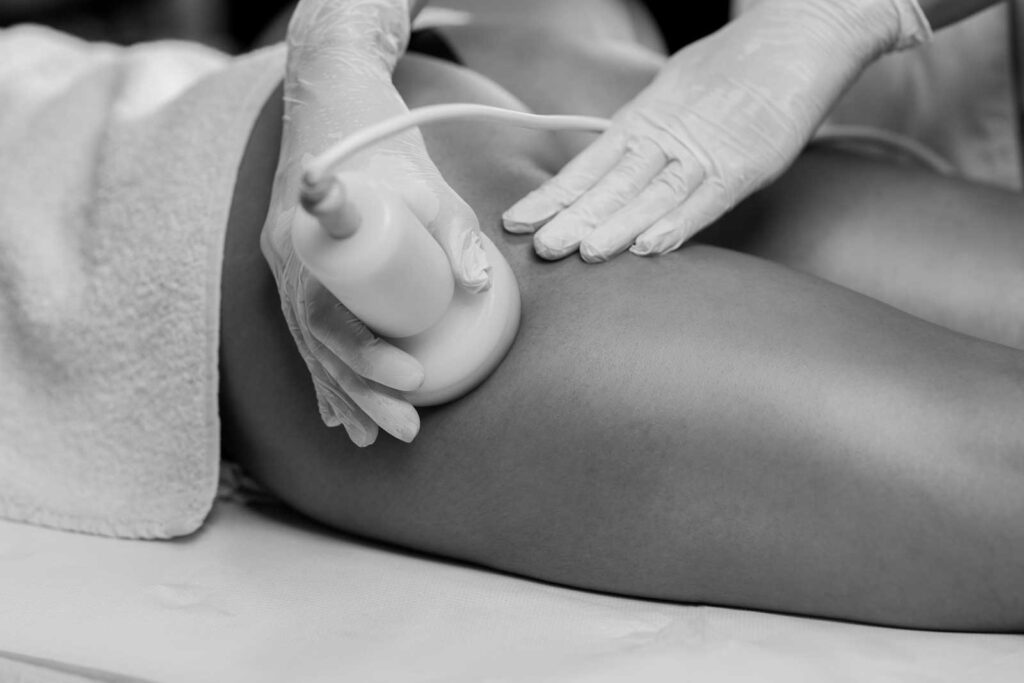
The lymphatic system is a vital network of vessels, nodes, and organs that helps remove waste, excess fluid, toxins, and pathogens from tissues while supporting immune function. Unlike the circulatory system, it lacks a central pump and relies on muscle movement, breathing, and external stimulation to keep lymph fluid flowing. When this system becomes sluggish, congested, or damaged, fluid can accumulate, leading to swelling and other symptoms. Manual lymphatic drainage (MLD), a gentle specialized massage technique, helps move trapped lymph toward working vessels and nodes. Knowing whether you need lymphatic drainage starts with recognizing signs of potential lymphatic congestion or related conditions like lymphedema. This article covers key indicators, who benefits most, benefits and limitations, contraindications, and when to seek professional advice. Understanding the Lymphatic System and Drainage Lymph fluid carries waste products, proteins, and immune cells. Lymph nodes filter this fluid. Disruption from surgery (especially lymph node removal), radiation, injury, infection, chronic venous issues, or inactivity can impair flow, causing fluid buildup known as edema or, in more specific cases, lymphedema. Manual lymphatic drainage course Manchester encloses light, rhythmic strokes—often starting near central nodes in the neck, armpits, abdomen, or groin—to stimulate flow without deep pressure. It differs from traditional massage and is typically performed by certified therapists as part of complete decongestive therapy for medical cases. While popular for general wellness claims (detox, reduced bloating, clearer skin), evidence is strongest for treating actual lymphatic impairment rather than routine use in healthy systems. Key Signs You May Need Lymphatic Drainage Watch for these common indicators of sluggish or compromised lymphatic function. Persistent or multiple symptoms increase the likelihood that drainage support could help: Persistent swelling or puffiness: Noticeable fluid retention in arms, legs, ankles, hands, face, or abdomen that does not resolve with rest or elevation. Rings, watches, shoes, or clothing may feel tighter. Morning facial puffiness or end-of-day leg swelling are frequent clues. Feeling of heaviness, tightness, or fullness: Limbs or affected areas feel heavy, tight, or “full,” sometimes with reduced mobility or stiffness, even without dramatic visible swelling. Chronic fatigue or brain fog: Ongoing tiredness that sleep does not fully resolve, along with difficulty concentrating or mental fogginess, can relate to toxin or fluid buildup. Digestive issues and bloating: Frequent bloating, constipation, or digestive discomfort, as the lymphatic system aids fat transport and waste removal from the gut. Skin concerns: Dryness, rashes, acne (especially along the jawline or neck), itchiness, or changes in skin texture/thickness. Frequent infections or sinus issues: Recurrent colds, sinus infections, or slow healing, since lymph supports immune surveillance. Swollen or tender lymph nodes: Noticeable nodes in the neck, armpits, or groin (though these often signal infection and warrant medical evaluation). Other patterns: Swelling that worsens with heat, travel, prolonged sitting/standing, or after surgery; unexplained water retention; or a general “heavy” or inflamed feeling without clear cause. Temporary swelling from salty meals, heat, long flights, or hormonal cycles is normal and usually resolves quickly. Persistent symptoms lasting days to weeks, or those that interfere with daily life, are more suggestive of needing support. Lymphedema-specific signs (primary or secondary, often post-cancer treatment) include progressive swelling in a limb or body part, skin hardening (fibrosis), recurrent infections, and limited range of motion. Symptoms may appear months or years after surgery or radiation. Who Benefits Most from Lymphatic Drainage? Lymphatic drainage is primarily indicated for: People with diagnosed lymphedema (primary congenital or secondary from cancer treatment, injury, or infection). Post-surgical swelling or recovery (including cosmetic procedures). Chronic venous insufficiency. Certain inflammatory or fluid-retention conditions when recommended by a provider. It may offer supportive relief for mild congestion symptoms in otherwise healthy individuals, but results are often less dramatic without underlying impairment. Sedentary lifestyles, high stress, or poor circulation can contribute to sluggish flow that benefits from stimulation through movement, hydration, and occasionally professional drainage. Potential Benefits When appropriate, lymphatic drainage can: Reduce swelling and improve comfort/mobility. Support fluid movement and decrease heaviness or tightness. Aid post-procedure recovery by lessening bruising and fluid accumulation. Promote relaxation due to its gentle nature. Potentially improve skin appearance temporarily by reducing fluid-related puffiness. It is not a proven method for significant weight loss, permanent “detox,” or curing unrelated conditions. Any weight change is typically from reduced fluid retention. Contraindications and Safety Considerations Avoid or delay lymphatic drainage (and consult a doctor first) if you have: Active infections (including cellulitis or untreated skin infections), as it could spread pathogens. Blood clots or deep vein thrombosis (risk of dislodging a clot). Uncontrolled congestive heart failure, kidney failure, or certain heart/kidney/liver conditions (risk of fluid overload). Active untreated cancer or malignancy in the treatment area (use only with medical clearance, often in palliative settings). Acute inflammation or recent stroke in some cases. Relative precautions may apply in pregnancy, low blood pressure, or controlled chronic conditions—always seek professional guidance. Sessions should feel light; deep pressure is not appropriate. When to See a Doctor Contact a healthcare provider for: Sudden, one-sided, or unexplained swelling (especially with pain, redness, warmth, or shortness of breath—possible emergency for clot, infection, or other issues). Persistent swelling that does not improve. Fever, skin changes, or worsening symptoms with known lymphedema. Any new or concerning symptoms before starting treatment. A doctor can rule out other causes of swelling (heart, kidney, or vein problems) and refer you to a certified lymphedema therapist if needed. Imaging or specialist evaluation may be recommended. Next Steps If You Suspect You Need It Track symptoms (photos, measurements of affected areas at consistent times). Consult your primary care provider or specialist for evaluation. Seek a qualified practitioner: Look for certified lymphedema therapists (CLT) trained in techniques like Vodder or similar methods, especially for medical needs. Spa versions exist for milder concerns but may not match clinical standards. Support overall lymphatic health through daily movement, deep breathing, hydration, skin care, and elevation of swollen areas when appropriate. Consider complementary approaches like gentle exercise or compression garments under guidance. Lymphatic drainage is a
Major Advantages of Learning Wooden Therapy Course

Learning a Wood Therapy (Maderotherapy) course include expanding professional skills in non-invasive body contouring, boosting earning potential through high-demand treatments, gaining practical certification, and delivering client benefits such as improved lymphatic drainage, reduced cellulite appearance, and enhanced circulation. Wood Therapy, also known as Maderotherapy (from the Spanish madera for wood), is a holistic massage technique that uses specially designed wooden tools—rollers, contour boards, suction cups, paddles, and spiral instruments—to apply targeted pressure. Originating in traditional practices and popularized in Colombia and South America, it has grown rapidly in wellness, beauty, and body-sculpting industries for its focus on mechanical stimulation of soft tissue, fascia, lymphatics, and subcutaneous layers. Learning a structured Wood Therapy course equips practitioners with tool selection, pressure control, full-body and facial protocols, client assessment, contraindications, hygiene, and aftercare. Below are the major advantages. 1. Expand Your Service Menu with High-Demand, Non-Invasive Treatments Wood Therapy courses teach body sculpting, cellulite-smoothing techniques, lymphatic drainage sequences, muscle toning, and facial rejuvenation or depuffing. These complement existing massage, aesthetics, or wellness offerings without requiring expensive machinery. Practitioners can target areas such as the abdomen, thighs, buttocks, arms, back, and face using anatomy-driven tool applications. Clients increasingly seek natural, tool-assisted alternatives to invasive procedures, driven by social media visibility of contouring results. Adding this modality positions you to meet demand for holistic body contouring and recovery support (including some post-operative applications when appropriately trained). Check Out: – Everything About Facial Contouring 2. Increase Income Potential and Business Growth Certified Wood Therapy courses UK command strong session pricing in many markets because they deliver visible short-term improvements in contour, fluid reduction, and skin texture. Courses often highlight how the treatment becomes a profitable add-on or standalone offering, with practitioners reporting the ability to attract and retain clients seeking sculpting and detoxification benefits. Low ongoing costs (primarily wooden tools and oils versus high-tech devices) improve margins. Online and in-person courses frequently include business elements such as client consultation forms, pricing guidance, marketing tips, and retention strategies, helping therapists and salon owners scale services efficiently. Lifetime or extended access to materials supports ongoing practice refinement. 3. Build Specialized, Practical Skills and Professional Credibility Quality courses cover: History, principles, and mechanisms of Wood Therapy. Anatomy relevant to fascia, adipose tissue, lymphatics, and circulation. Safe tool handling, ergonomics (to protect the therapist’s body), pressure calibration, and sequence design. Client consultation, informed consent, contraindications (e.g., certain medical conditions), hygiene, and documentation. Full-body and facial protocols, often combined with Brazilian-style lymphatic techniques in some programs. Many courses are accredited (e.g., CPD, ABT, IPHM, or school-specific certifications) and suitable for beginners or licensed massage/beauty professionals. Graduates receive certificates that support insurance eligibility and client trust. Hands-on or video-based training builds confidence in delivering consistent, ethical results while reducing therapist hand strain through tool use. 4. Deliver Meaningful Client Benefits That Drive Satisfaction and Referrals While strong clinical evidence for permanent fat reduction remains limited (effects are often temporary and linked to improved circulation, lymphatic flow, and tissue mobility), clients commonly report: Enhanced lymphatic drainage and reduced fluid retention or puffiness. Smoother appearance of cellulite and improved skin texture through mechanical stimulation. Better circulation, temporary contouring, and a sense of firmness or definition. Relaxation, muscle tension relief, and overall well-being. These outcomes support client loyalty when expectations are managed realistically. Practitioners trained in assessment and customized plans can combine Wood Therapy with lifestyle advice or complementary modalities for better perceived results. Also Read: – Career After Learning Detox & Drain Training 5. Accessibility, Flexibility, and Career Versatility Courses range from one-day intensive practical workshops to comprehensive online programs with lifetime access, flexible pacing, video demonstrations, quizzes, and downloadable resources (consultation forms, aftercare sheets, progress trackers). Many require little or no prior qualification beyond basic massage knowledge or enthusiasm, making them accessible. Skills transfer across settings: independent practice, spas, salons, post-op recovery support, or wellness centers. The technique’s popularity supports career progression into advanced body contouring or specialized lymphatic work. Therapists also benefit from ergonomic advantages—tools reduce repetitive strain compared with purely manual deep tissue work. 6. Holistic and Sustainable Approach Aligned with Wellness Trends Wood Therapy emphasizes natural, mechanical methods over pharmaceuticals or surgery. Learning it aligns practitioners with client preferences for non-invasive, holistic care focused on circulation, detoxification support, and body awareness. Proper training emphasizes safety, evidence-informed practice (acknowledging the limits of current research), and ethical communication so clients understand temporary versus longer-term expectations. Choosing and Maximizing a Course Look for programs covering tool variety and specific uses, full protocols, safety/contraindications, anatomy, and practical application (in-person models or detailed video). Accreditation, instructor experience (some feature pioneers or specialists in Colombian techniques), and included resources add value. Practice on models, maintain hygiene standards, and stay updated on techniques. In summary, learning a Wood Therapy course provides a practical pathway to offer popular body-contouring and lymphatic services, strengthen professional skills and credibility, grow revenue with relatively low equipment investment, and help clients achieve temporary improvements in appearance, comfort, and well-being. As demand for non-invasive sculpting continues, trained practitioners are well-positioned in the evolving beauty and wellness market. Always verify local regulations for practice and insurance, manage client expectations based on available evidence, and prioritize safety through thorough training. Don’t Miss: – Manual Lymphatic Drainage Treatment for Lymphedema
Manual Lymphatic Drainage Treatment for Lymphedema: A Complete Guide
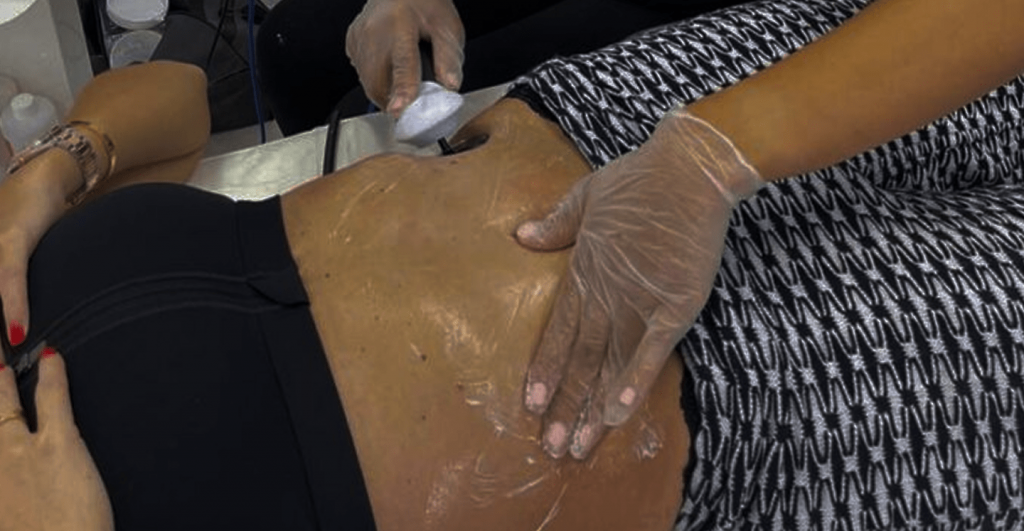
Lymphedema is a chronic condition characterized by swelling due to a buildup of lymph fluid, often resulting from damage or removal of lymph nodes (e.g., after breast cancer treatment), surgery, radiation, infection, or congenital issues. Manual lymphatic drainage (MLD), also known as lymphatic drainage massage, is a specialized, gentle hands-on technique that plays a key role in managing lymphedema by stimulating the lymphatic system to reduce swelling and improve fluid movement. This article explores what MLD is, how it works, its benefits and evidence base, what to expect in treatment, self-care techniques, precautions, and integration into comprehensive care. Understanding Lymphedema The lymphatic system—a network of vessels, nodes, and organs—helps maintain fluid balance, fight infection, and remove waste. When damaged or overwhelmed, lymph fluid accumulates in tissues, causing swelling (edema), heaviness, tightness, pain, and increased infection risk (e.g., cellulitis). Over time, it can lead to fibrosis (hardening of tissues) and reduced mobility. Primary lymphedema is congenital; secondary lymphedema is more common and often linked to cancer treatments (especially breast cancer), trauma, or obesity. Early intervention is crucial, as lymphedema is not curable but highly manageable. Never Miss: – What is Wooden Therapy What Is Manual Lymphatic Drainage (MLD)? MLD is a gentle, rhythmic massage technique developed in the 1930s (e.g., by Emil Vodder) that uses light pressure—roughly the weight of a nickel or coin—to stretch the skin and stimulate superficial lymph vessels. Unlike traditional massage, it avoids deep pressure, which could compress vessels. Key characteristics: Light, superficial strokes (5–30 mmHg pressure). Slow, rhythmic movements (about 6–10 per minute) following the direction of lymph flow. Proximal-to-distal sequence: Clear central/healthy areas first to create “space” for fluid from swollen areas. Common techniques in Manual Lymphatic drainage course UK include stationary circles, scoops/pumps, rotary movements, and thumb circles. Sessions typically last 30–60 minutes (or longer in intensive phases). How MLD Works for Lymphedema MLD enhances lymphatic vessel contraction, increases lymph flow, recruits alternative (watershed) pathways, and reduces protein buildup that contributes to fibrosis. It starts by clearing lymph nodes and vessels in the neck, trunk, or unaffected areas, then directs fluid from the affected limb toward functioning nodes. This process mobilizes excess interstitial fluid, promotes reabsorption, and supports immune function. It is most effective when combined with other therapies rather than used in isolation. Benefits of MLD for Lymphedema Volume reduction: Helps decrease swelling, especially in mild-to-moderate cases or early stages. Studies show additional benefits (e.g., ~7% extra reduction) when added to compression. Symptom relief: Reduces heaviness, tightness, pain, and improves mobility and quality of life. Fibrosis softening: Helps break down hardened tissue. Infection prevention: Better fluid movement may lower cellulitis risk. Preventive potential: Some evidence suggests MLD post-surgery may reduce the incidence or progression of lymphedema. Relaxation: Many patients find it soothing. Results vary by severity, timing, and adherence to full treatment protocols. Intensive application (e.g., multiple sessions per week) often yields stronger decongestive effects. Also Read: – Everything You Need To Know About Facial Contouring MLD as Part of Complete Decongestive Therapy (CDT) MLD is rarely used alone. It forms a core component of Complex Decongestive Therapy (CDT) or Decongestive Lymphatic Therapy (DLT), which includes: Skin care — Prevent infections. Compression — Bandaging (intensive phase) or garments (maintenance). Exercise — Gentle movements to support lymph flow. MLD — Manual drainage. Patient education — Self-management. Phases of CDT: Phase 1 (Intensive/Reduction): Daily or frequent sessions (e.g., 5 days/week for 2–4 weeks) with MLD + multilayer bandaging. Phase 2 (Maintenance): Self-MLD, compression garments, ongoing exercise, and monitoring. What to Expect During an MLD Session You’ll lie comfortably (often undressed but draped). The therapist starts with deep breathing and proximal clearing (neck, trunk), then addresses the affected area. No oils or lotions are typically used. The touch is very light and relaxing—no pain or redness should occur. Post-session, you may wear compression bandages. Improvement is often gradual and requires consistency. Self-MLD Techniques Trained therapists can teach simple self-MLD for home use. Always learn from a certified professional first. Basic principles: Start proximally, use light pressure, repeat strokes (e.g., 10–15 times), and incorporate deep breathing. Example upper body basics (consult a professional for personalized instruction): Neck/collarbone clearing. Armpit (axillary) stimulation. Trunk to arm movements. Distal-to-proximal limb work. Perform short sessions multiple times daily as part of maintenance. Evidence and Effectiveness Research shows mixed but generally supportive results. Systematic reviews indicate MLD provides additional benefits for volume reduction and symptoms in mild-moderate lymphedema, particularly with compression, though it may offer less added value in severe cases. Some studies highlight stronger effects with intensive protocols. More high-quality RCTs are needed, but MLD is widely recommended as safe and helpful within CDT. Precautions and Contraindications MLD is generally safe but not for everyone. Absolute contraindications include: Acute infection/cellulitis. Untreated deep vein thrombosis (DVT). Decompensated heart failure. Active/untreated cancer (in some cases; consult oncology). Renal failure or severe hypertension (relative). Always get medical clearance. Avoid if you have fever, acute inflammation, or certain cardiac issues. Check Out: – Can I Make a Great Career after Learning Detox & Drain Massage Choosing a Qualified Therapist Seek a Certified Lymphedema Therapist (CLT) with specialized training (e.g., Vodder, Földi, or Leduc methods) from reputable programs. Physical therapists, occupational therapists, or massage therapists with lymphedema certification are ideal. Conclusion: Integrating MLD into Long-Term Lymphedema Management Manual lymphatic drainage is a proven, gentle cornerstone of effective lymphedema care. When combined with compression, exercise, skin care, and self-management in a CDT framework, it can significantly reduce swelling, alleviate symptoms, and improve quality of life. Early intervention yields the best outcomes. If you or a loved one experiences swelling, consult a healthcare provider or certified lymphedema specialist promptly. Consistent self-care and professional guidance empower better control over this chronic condition. This article is for informational purposes only and does not replace professional medical advice. Always consult qualified healthcare providers for diagnosis and personalized treatment.
Can I Make a Great Career after Learning Detox & Drain Massage Training?

Yes, learning Detox & Drain Massage Training (often centered on Manual Lymphatic Drainage or MLD with a detox focus) can lead to a rewarding and potentially lucrative career in the booming wellness, beauty, and therapeutic industries. This specialized skill combines gentle, rhythmic techniques to stimulate the lymphatic system, promote detoxification, reduce fluid retention, and support contouring and recovery. With rising demand for non-invasive wellness treatments, post-surgical care, and holistic health services, trained practitioners often enjoy strong client loyalty, premium pricing, and diverse opportunities. What Is Detox & Drain Massage? Detox & Drain Massage, frequently referred to as lymphatic drainage massage, manual lymphatic drainage (MLD), or Brazilian lymphatic drainage in aesthetic contexts, uses light, directional pressure to move lymph fluid through the body’s network of vessels and nodes. Key benefits include: Reducing swelling (edema) and water retention Supporting natural detoxification by helping remove waste and toxins Improving circulation and immune function Aiding post-surgical recovery (e.g., after liposuction, facelifts, or C-sections) Alleviating bloating, cellulite appearance, and fatigue Promoting relaxation and overall well-being While medically proven for conditions like lymphedema, its popularity in wellness and aesthetics stems from visible results like lighter legs, reduced puffiness, and body contouring. Healthy individuals may experience relaxation and mild benefits, though dramatic “detox” claims for general wellness should be approached with evidence-based expectations. Why Invest in Detox & Drain Massage Training? Professional Detox & Drain Massage training UK equips you with anatomy knowledge, safe techniques, contraindications, treatment protocols, and business skills. Courses range from short workshops (2–5 days) to comprehensive certifications (40–135+ hours), often covering the Vodder method, Brazilian techniques, or hybrid detox protocols. Typical training covers: Lymphatic system anatomy and physiology Assessment, consultation, and aftercare Full-body and targeted (face, legs, abdomen) protocols Integration with other modalities (e.g., wood therapy, aromatherapy) Safety for post-op, medical, or wellness clients Marketing and client retention Many programs are CPD-accredited or recognized by bodies like IPHM, NCBTMB, or LANA, allowing insurance coverage and professional credibility. Prerequisites often include basic massage qualifications, though some welcome beginners. Costs vary widely (hundreds to thousands), with options for in-person, hybrid, or online theory plus practicals. Certification enhances employability and allows premium session rates ($85–$150+ per treatment, with packages boosting revenue). Career Opportunities After Training Specializing in Detox & Drain opens multiple paths: Spa & Wellness Centers — Offer signature detox treatments; steady clientele in resorts or day spas. Medical & Post-Surgical Clinics — Work with plastic surgeons, oncologists, or lymphedema patients; high demand for recovery support. Aesthetic & Beauty Clinics — Brazilian-style drainage for contouring and body sculpting. Private Practice or Mobile Services — Set your schedule, rates, and niche (e.g., celebrity/post-op, athletes, detox retreats). Corporate Wellness or Events — Workshops, group sessions, or partnerships. Education & Advanced Roles — Teach courses, become a specialist in Complete Decongestive Therapy (CDT), or open your own studio. Demand is strong globally, with jobs in high-end areas (e.g., Toronto, Miami, Europe) paying premium rates. Hybrid roles combine it with other therapies for broader appeal. Earning Potential: Can You Make a Great Living? Yes—especially with specialization and business savvy. Average salaries for lymphatic drainage/massage therapists: $45K–$75K USD annually (median around $55K), with top earners exceeding $100K in private practice or high-demand markets. Hourly rates: $30–$70+; sessions often $85–$150+, with packages and tips adding up. Self-employed owners/studios: Significant upside through volume, products, and multiple therapists (e.g., six-figure potential with strong utilization). Factors boosting income: Location (urban, affluent, or medical hubs pay more) Certifications and experience (post-surgical or lymphedema expertise commands premiums) Marketing (social media showcases before/after results) Packages and add-ons Insurance reimbursement for medical cases Entry-level starts lower, but specialization and a full book of clients lead to above-average earnings for the massage field. Pros of a Career in Detox & Drain Massage High job satisfaction — Visible results and client transformations are deeply rewarding. Flexibility — Part-time, full-time, freelance, or mobile options suit many lifestyles. Growing demand — Wellness trends, aesthetics, and post-op recovery drive opportunities. Low overhead potential — Mobile or home-based starts are feasible. Continuous learning — Expand into related fields like oncology massage or detox coaching. Holistic impact — Support immunity, recovery, and well-being. Cons and Challenges to Consider Physical demands — Repetitive motions can lead to strain; proper ergonomics and self-care are essential. Building clientele — Takes time and marketing effort, especially in saturated markets. Regulatory requirements — Massage licensure varies by location; additional certifications needed for medical claims. Inconsistent income initially — Common for independents. Emotional/mental load — Managing client expectations and health concerns. Competition — Differentiate with results, specialization, and professionalism. Success requires ongoing education, networking (e.g., with surgeons), and strong client communication. How to Maximize Your Success Choose reputable, hands-on training with recognized certification. Obtain necessary licenses and insurance. Build a portfolio with testimonials and visuals. Network in wellness, medical, and beauty communities. Market effectively via social media, Google Business, and partnerships. Offer packages and educate clients on maintenance. Consider niches like post-op or facial drainage for premium positioning. Prioritize self-care to sustain a long career. Is This the Right Career for You? If you enjoy hands-on work, helping people feel and look better, and the wellness industry, Detox & Drain Massage Training can absolutely launch a great career. Many practitioners report high fulfillment, flexibility, and solid income once established. It’s not a “get rich quick” path—dedication to skill-building and business growth is key—but the combination of therapeutic impact and market demand makes it a strong choice in today’s health-conscious world. Ready to start? Research local or accredited programs, shadow practitioners, and assess your passion for the work. With the right training and mindset, you can build a fulfilling, prosperous career helping clients detox, drain, and thrive. Note: Always consult local regulations for licensing and scope of practice. Results and earnings vary based on individual effort, location, and market conditions.
Everything You Need To Know About Facial Contouring

Facial contouring has exploded in popularity as one of the most transformative beauty trends. It sculpts and defines facial features for a more balanced, youthful, and harmonious appearance—whether through a quick makeup routine or advanced medical procedures. From subtle enhancements that highlight your cheekbones to dramatic surgical changes that redefine your jawline, facial contouring offers options for nearly every goal, budget, and lifestyle. This guide covers the techniques, benefits, risks, costs, recovery, and expert tips to help you decide what works best for you. What Is Facial Contouring? Facial contouring reshapes the face by adding volume, removing fat, or enhancing bone structure to create better definition, symmetry, and proportion. It targets areas like the cheeks, jawline, chin, temples, and forehead. Key goals often include: Creating a more sculpted “V-shaped” or heart-shaped face. Enhancing cheekbone prominence. Defining the jawline and chin. Balancing facial proportions. Reducing the appearance of a round or full face. It ranges from temporary, non-invasive methods to permanent surgical solutions. The Evolution of Facial Contouring Historically, dramatic facial reshaping relied on surgical procedures. Today, advancements in injectables, energy-based devices, and makeup have made contouring accessible and customizable. Non-surgical options now deliver impressive results with minimal downtime, while surgical techniques offer longer-lasting transformations. Check Out: – Body Contouring vs. CoolSculpting Types of Facial Contouring: Non-Surgical vs. Surgical 1. Makeup Contouring (The Everyday Option) This uses light and shadow with makeup to create optical illusions of higher cheekbones, a slimmer face, and sharper jawline. It’s temporary, cost-effective, and reversible. Step-by-Step Guide for Beginners: Prep — Apply primer and foundation for a smooth base. Contour — Use a cool-toned cream or powder 1-2 shades darker than your skin. Apply under cheekbones (from ear toward mouth but not too close), along the jawline, sides of the nose, and hairline/forehead if needed. Highlight — Use a lighter shade or shimmer on the high points: tops of cheekbones, bridge of nose, cupid’s bow, and brow bone. Blend — Use a fluffy brush or sponge for seamless transitions—no harsh lines. Set — Finish with setting powder or spray. Pros: Instant, affordable, no commitment. Cons: Washes off; requires skill and daily time. 2. Non-Surgical Contouring (Injectables and Devices) These in-office treatments use dermal fillers, neurotoxins (like Botox for masseter slimming), threads, or energy devices (RF, ultrasound) for volume and definition with little to no downtime. Popular Options: Dermal Fillers (Hyaluronic acid like Juvederm or Restylane): Add volume to cheeks, jawline, chin, or temples. Results last 6–18+ months. Botox/Dysport: Slims the jaw by relaxing masseter muscles. Buccal fat “dissolving” alternatives or skin-tightening treatments. Thread Lifts or Morpheus8 for subtle lifting and tightening. Pros: Quick (often “lunchtime” procedures), minimal downtime, customizable, reversible (for HA fillers). Cons: Temporary; maintenance required; risk of overfilling if not done by an expert. 3. Surgical Facial Contouring These procedures deliver permanent structural changes. Common Procedures: Buccal Fat Removal: Extracts cheek fat pads for a slimmer, more contoured lower face. Ideal for round faces. Chin Implants/Genioplasty: Enhances a weak or recessed chin for better profile balance. Jawline Reshaping or Facial Liposuction: Defines the jaw and removes excess fat. Cheek Implants or Fat Grafting: Adds or relocates volume. Combination Approaches: Often paired with facelifts or rhinoplasty for overall harmony. Pros: Dramatic, long-lasting or permanent results. Cons: Longer recovery, higher cost, surgical risks. Benefits of Facial Contouring Enhanced facial symmetry and definition. More youthful, rested appearance. Boosted self-confidence. Improved proportions (e.g., balancing a small chin with the rest of the face). Customizable to your unique features—subtle or transformative. Many patients report feeling like the “best version” of themselves after treatment. Also Read: – How Body Contouring Suits Differ from Medical Contouring Who Is a Good Candidate? Ideal candidates are generally healthy adults with realistic expectations. Non-surgical suits those wanting subtle changes or testing the look. Surgical options work better for significant structural concerns or those seeking permanence. Consult a board-certified plastic surgeon or injector. They assess skin quality, bone structure, age, and goals. Risks and Side Effects Non-Surgical: Bruising, swelling, redness (usually resolves quickly). Rare: Vascular occlusion, asymmetry, lumps. Surgical: Infection, scarring, nerve damage, asymmetry. Anesthesia risks. Longer swelling (weeks to months). Choose experienced, qualified providers to minimize risks. Recovery and Aftercare Makeup: None needed. Non-Surgical: Most return to activities immediately or within 1–2 days. Avoid strenuous exercise for 24–48 hours. Surgical: Swelling and bruising peak in the first week. Full recovery can take 4–6 weeks or longer. Follow instructions on compression, elevation, and avoiding salt/alcohol. Tips for Optimal Results: Stay hydrated, use sun protection, maintain a healthy lifestyle, and attend follow-ups. Cost Considerations Makeup Products: $20–$100+ for quality tools and palettes. Non-Surgical (Fillers/Botox): $600–$2,500+ per session, depending on areas and product. Maintenance adds up. Surgical: $5,000–$25,000+ depending on procedures (often higher in major cities). Includes surgeon fees, facility, anesthesia. Many practices offer financing. Consider long-term value—surgery may be more cost-effective over time than repeated fillers. Current Trends (2025–2026) Natural-looking results dominate. People combine modalities (e.g., fillers + skin tightening) for harmonious outcomes. Emphasis on “prejuvenation” (early subtle treatments) and personalized plans based on facial anatomy and genetics grows. How to Choose the Right Approach Consider your goals, timeline, budget, tolerance for downtime, and desired longevity. Start non-surgical if unsure. A consultation with before/after photos and 3D imaging helps visualize outcomes. Conclusion: Sculpting Your Best Self Facial contouring empowers you to enhance your natural beauty—whether with a makeup brush or medical expertise. The key is personalization and working with skilled professionals who prioritize natural, balanced results. Ready to explore? Consult a qualified provider to discuss options tailored to your face and goals. Your journey to a more defined, confident you starts with informed choices. Frequently Asked Questions (FAQs) Is facial contouring permanent? Surgical options can be long-lasting or permanent. Non-surgical fillers typically last 6–24 months. Does it hurt? Most non-surgical treatments involve minimal discomfort (topical numbing used). Surgery uses anesthesia. Can I combine contouring with other treatments? Yes—many pair it with skin rejuvenation, Botox for wrinkles, or laser treatments for optimal results. How do I
What is Wooden Therapy? Benefits, Frequency, When to Use, and More
Wooden therapy—also known as maderotherapy or maderoterapia—is a popular non-invasive body contouring and massage technique that uses specially crafted wooden tools to sculpt, tone, and rejuvenate the body. It has surged in popularity in spas and wellness centers worldwide, particularly for those seeking natural alternatives to invasive procedures. If you’re curious about this trending treatment, this guide covers everything: what it is, its potential benefits, ideal frequency, when to use it (and when to avoid it), and realistic expectations. Origins and How Wooden Therapy Works Wooden therapy has roots in traditional Colombian practices (and broader ancient uses of wooden implements in Asia and Latin America for healing and bodywork). Modern maderotherapy uses a set of hand-held wooden tools in various shapes—rollers with grooves, contoured boards, mushroom-shaped tools, cups, and more—to apply targeted pressure, rolling, kneading, and suction-like movements. These tools work on the soft tissues, aiming to: Break down localized fat deposits and fibrous bands associated with cellulite. Stimulate lymphatic drainage to reduce fluid retention and flush toxins. Improve blood circulation and oxygen flow to the skin. Loosen tight muscles and fascia. A typical wooden therapy for belly fat loss lasts 45–60 minutes for a full body or 30 minutes for targeted areas. It feels like a deep, vigorous massage; the first few sessions may involve some discomfort as pressure is adjusted, but many find it deeply relaxing afterward. Pro Tip for SEO/Searchers: Search for “Colombian wood therapy” or “maderoterapia near me” to find authentic practitioners using traditional tools. Check Out: – Use of Wooden Handheld Tools in Body Contouring Key Benefits of Wooden Therapy Advocates and practitioners highlight a range of benefits, though scientific research is still limited (many claims stem from anecdotal evidence and the known effects of massage). Here’s what users and experts commonly report: Cellulite Reduction: It helps break up fibrous bands and smooth the skin’s appearance by improving circulation and lymphatic flow. Results are often temporary without maintenance but can look noticeably smoother after several sessions. Body Contouring and Sculpting: Targets stubborn areas like thighs, buttocks, abdomen, and arms to tone and reshape. Lymphatic Drainage and Detox: Promotes the elimination of excess fluid, toxins, and waste, reducing bloating and puffiness. Improved Skin Tone and Elasticity: Boosts collagen production through stimulation, leading to firmer, smoother skin. Better Circulation: Enhances blood flow, which can support overall wellness and a healthy glow. Muscle Relief and Relaxation: Loosens tight muscles, reduces tension, and provides stress relief—similar to deep tissue massage. Additional Perks: Some report reduced water retention, firmer thighs/buttocks, and even facial benefits like diminished wrinkles when tools are used on the face. Realistic Note: While it complements a healthy lifestyle (diet, exercise, hydration), it is not a weight-loss solution or permanent fat eliminator on its own. Many see visible improvements in skin texture and contour after 5–10 sessions. How Often Should You Do Wooden Therapy? (Frequency Guide) Consistency is key for cumulative results. Here’s expert-recommended guidance: Initial Intensive Phase (for best results): 2–3 sessions per week for 4–6 weeks. This builds momentum for breaking down deposits, activating drainage, and retraining tissues. Visible Changes Timeline: Some notice reduced bloating or smoother skin after 1–3 sessions. More significant sculpting and cellulite improvement often appear after 5–7+ sessions, with 10–12 sessions recommended for optimal outcomes. Maintenance Phase: Once every 2–4 weeks (or 1–2 times per month) to sustain results. Frequency by Goal: Cellulite reduction: 2–3x/week initially. Lymphatic support/post-swelling: 1–2x/week. General wellness/relaxation: 1x/week or as needed. Factors like age, skin elasticity, lifestyle, body composition, and starting condition influence your ideal schedule. Always consult a trained professional for a personalized plan. When to Use Wooden Therapy (and Best Practices) Ideal For: People with mild to moderate cellulite or localized fat. Those seeking non-surgical body contouring. Postpartum recovery (with doctor approval) or after significant weight loss for skin tightening. Individuals wanting natural lymphatic support or muscle relief. As a complement to exercise, healthy eating, or other treatments like radiofrequency. Enhance Results With: Staying well-hydrated. Eating a clean, anti-inflammatory diet. Regular exercise (especially strength training and cardio). Dry brushing or complementary spa treatments. Also Read:- Wooden Lymphatic Drainage Massager Good for Cutting Body Fat When to Avoid or Use Caution (Contraindications) Wooden therapy is generally safe when performed by a trained practitioner, but it’s not for everyone. Avoid or get medical clearance if you have: Pregnancy (always consult your OB-GYN). Deep vein thrombosis, severe varicose veins, or clotting disorders. Active infections, fever, open wounds, rashes, or skin conditions. Cancer, compromised lymphatic system, or severe organ issues (kidney/liver). Uncontrolled hypertension or heart conditions. Recent surgery (wait for surgeon approval; it may be used post-op for fibrosis but with modified gentle techniques). Possible Side Effects (usually mild and temporary): Redness, bruising, or soreness. Increased urination (from detox/lymphatic effects). Discomfort during firmer sessions. Choose a reputable provider who screens for contraindications and uses sanitized, high-quality tools. Is Wooden Therapy Worth It? Wooden therapy offers a natural, relaxing way to support body contouring, smoother skin, and wellness through lymphatic and circulatory stimulation. While not a miracle cure, many love the glow, reduced dimpling, and sculpted feel—especially with a consistent course of treatments plus healthy habits. Ready to Try Wooden Therapy? Look for licensed estheticians for therapy or wooden therapy training in Manchester?. Packages of 6–10 sessions often provide better value.Always consult a healthcare professional before starting any new therapy, especially if you have underlying conditions. Results vary by individual.Have you tried wooden therapy? Share your experience in the comments! For more on natural body sculpting, lymphatic drainage, and wellness tips, explore our related guides. Keywords: wooden therapy, maderotherapy benefits, wood therapy massage, cellulite reduction, body contouring frequency. Never Miss: – Body Sculpting Suits vs. Shapewears
How Advanced Body Contouring Can Transform Your Confidence in Manchester

Staying fit enhances physical health and boosts confidence, whether you’re strolling through Manchester’s streets or attending important meetings. However, many individuals in the UK struggle with stubborn fat and body shapes that don’t align with their personal goals. One solution stands out for those looking to redefine their body shape: advanced body contouring. This groundbreaking procedure offers a noninvasive way to sculpt the body, eliminate stubborn fat, and enhance natural curves, ultimately boosting self-esteem. Due to its effectiveness and wide scope, many people consider this procedure as a career and seek Body Contouring Training UK from professionals. If you’re considering this life-changing treatment, here’s everything you need to know—from how it works to its incredible benefits. In this blog, we will first discuss body contouring and then explore how you can pursue it as a career. What Is Advanced Body Contouring? Advanced body contouring is a non-surgical cosmetic process that moulds and restructures the body by targeting loose skin and resistant fat. It targets regions like the arms, underarms, back, thighs, and belly that are resistant to diet and exercise. To achieve the best results, advanced body contouring uses state-of-the-art technology and is performed by professionals. In contrast to conventional surgical procedures such as liposuction, advanced body contouring uses minimally invasive or noninvasive techniques, which reduces recovery time and risks. How Does It Work? Advanced body contouring uses various methods depending on your needs, including: Radiofrequency (RF) Treatment Heat decreases fat and tightens the skin. It also promotes collagen synthesis, gradually increasing the skin’s flexibility. Cryolipolysis (Freezing of Fat) By freezing fat cells, it causes them to decompose spontaneously. These cells are then progressively removed by the body, giving an appearance of more sculpting. Laser Lipolysis It uses laser radiation to break down fat cells. This technique improves body contouring by liquefying fat and allowing the body to process it. Cavitation by Ultrasound This procedure uses ultrasonic vibrations to break up fat cells. The body’s natural detoxification process breaks down and eliminates the damaged fat. These techniques are safe, painless, and customisable to meet your unique objectives. The Benefits of Advanced Body Contouring People in Manchester and beyond choose this technique since it has several advantages. Here are some reasons to think about it: Increases Self-Belief When you reach your physical goals, there is no more incredible feeling than admiring your appearance; you will feel more comfortable wearing your favourite clothes and attending social gatherings. Goals for Stubborn Fat No matter how much you eat or exercise, some fat spots just won’t disappear. These problem areas are the focus of body contouring, which gives you the outcomes you’ve always desired. Minimal downtime and non-intrusive You can avoid surgery and extended healing times due to advanced procedures. You can return to your routine practically quickly after most treatments. Adaptable to Your Requirements Body contouring can be customised to fit your specific goals, whether you want to flatten your tummy or tone your arms. Why Pick Advanced Body Contouring in Manchester? Some of the best experts in the field of body contouring work in Manchester. With cutting-edge facilities and extensive training, local professionals offer excellent services to assist you in reaching your objectives. Considerations for Selecting a Provider The following should be considered while choosing a clinic or specialist for your body-reshaping journey: Credentials and Education Verify that your supplier has the required training and credentials. Technology Employed Seek out clinics that make use of the most recent, FDA-approved machinery. Customer Evaluations Positive reviews might boost your trust in the provider. Customised Plans The best providers create personalised treatment plans tailored to your needs. Why Advanced Body Contouring Works Unlike temporary fixes like creams or waist trainers, advanced body contouring delivers lasting results by addressing fat and skin concerns at a deeper level. Over time, your body naturally eliminates the broken-down fat cells, giving you a slimmer, more sculpted appearance. With regular maintenance and a healthy lifestyle, the results can be long-lasting. Kick Start your Career from Professional Experts One of the best things you can do is invest in your physique and confidence. Advanced body contouring is a safe and efficient technique for reaching your goals, regardless of how long you’ve been researching the topic or how new you are to it. If you are interested in exploring this procedure more and want to kick-start your career, why opt for Body Contouring Training UK? Professional clinics like The Contour Club provide treatments and various courses for people who wish to learn about this procedure. The Contour Club is all set to guide you through the process, ensuring you get the desired results. Final Thoughts Advanced body contouring is more than just a cosmetic procedure; it’s a life-changing journey toward self-confidence and body positivity. You can achieve your dream body without surgery or lengthy recovery times with cutting-edge techniques and expert providers in Manchester. Ready to leap? Start your transformation today with trusted local experts and see its difference. If you want the best possible career in cosmetic procedures, consider body contouring training in the UK. It’s time to embrace a confident, happier you!
Why Lymphatic Drainage is a Must-Try Treatment in Manchester

Lymphatic drainage is an incredibly excellent treatment if you want to feel fresh again, recover from that ever-annoying bloat, or pamper your body. At The Contour Club in Manchester, we are committed to restoring wellness through our Lymphatic Detox Massage Manchester Services that not only accelerate the body’s natural detoxification but also rejuvenate your spirit. On that note, here are a few reasons why lymphatic drainage is a good option for the people of Manchester and nearby areas. What is Lymphatic Drainage? Lymphatic drainage consists of a simple massage which stimulates lymphatic activity in the filtering organ of your body. Essential functions include immune health, detoxifying the body, and improving circulating fluids. This particular type of light and rhythmic massage is meant to facilitate the natural flow of lymph fluid in the body, reduce swelling, strengthen the complexion, and, perhaps, help lose fat. The lymphatic system completely lacks any pumping force, like that of a heart, to keep things moving on its own, which is why, once in a while, it has to be helped out. That is why lymphatic drainage is required: to help flush out lymphatic fluid through the lymph nodes with massaging techniques at The Contour Club to relieve blockages and detoxify. The Contour Club Offers A Chance To Relax A Relaxing Environment Created By The Contour Club Lets Clients Unwind And Lessen The Stress Brought About By Daily Activity. The Therapists Are Trained To Customize A Session To Fit Each Client’s Unique Needs. For Any Helping Hands- From Recovering From An Illness, Through Any Chronic Condition, Or Just That Feeling Of “Well-I-Made-It”-We’re Here To Help. With our lymphatic drainage treatments that strike a balance between relaxation and efficacy, pressure will be applied during treatment to specific areas of the body, such as the neck, armpits, abdomen, and legs, guiding your lymphatic system with the therapist’s help. Specific strokes will assist with flushing out toxins, acid reduction, and circulatory improvement. Advantages Brought By Lymphatic Drainage So lymphatic drainage is not just a good thing to do at a spa-it starts to touch on some good health matters, and it’s got some significant effects therein: Detoxification: The lymphatic drainage stimulates the lymphatic system for the detoxification and clearance of toxins or waste products from the body. As a result, with clear skin, you will feel so rejuvenated and full of energy. Reduces Bloating and Swelling: Bloating, water retention, or swollen legs are discomforts that lymphatic drainage can relieve. The pressure of this gentle massage helps fluids to facilitate away from areas where puffiness is happening due to fluid retention. Aids the Immune System: Majorly the lymphatic system is one of the body’s defenses. Regular lymphatic drainage treatment will equip one to be successful in massage therapy since it promotes better circulation of lymph fluid, thereby giving the body some room to ramp up its defence mechanism. It increases blood circulation. Relief Of Stress And Promotion Of Relaxation: While lymphatic drainage has limitless physical benefits, it is just so calming. Calming the nervous system, dissolving stored stress, and restoring a sense of equilibrium to the world is a post-drainage option. Why The Contour Club In Manchester? At The Contour Club, we are proud to be one of Manchester’s premier wellness centres with lymphatic detox massages. Here, we offer a holistic lifestyle, result-oriented health, and beauty. Reasons why our clients keep coming to us: Expert Therapists: The skilled therapists on our team are excellent at lymphatic drainage techniques and provide you with the most beneficial treatment every time. Tailored Treatment Plans: We understand that everyone’s needs are different. Be it achieved through general detox or a customized post-surgery recovery plan – or simply if help with chronic bloating is your goal – we have tailor-made treatments specific to your goal. Luxurious, Relaxing Atmosphere: The very minute you enter The Contour Club, you will feel the difference. Every visit is a rejuvenation because we have designed this tranquil, serene environment to relax and heal. Long-Term Benefits: Most people who try lymphatic drainage find that regular treatments offer long-lasting benefits. These can be in the form of the skin being more precise, the swelling reduced, and no doubt an overall improvement in health; consistency is the key to all benefits. Book Your Massage Lymphatic Detox Today For rejuvenation through limbic drainage in Manchester, The Contour Club is the place to be. The lymphatic detox massage Manchester is an excellent self-care way to boost health and wellness through nourishing pampering. Don’t let toxins and stress start weighing you down. Contact us to book an appointment and discover why lymphatic drainage is a must-try treatment for you. It could be your very first time or would be part of your well-deserved wellness rituals; whatever, we are glad to assist you in your journey towards a healthy, balanced lifestyle. Visit us at The Contour Club, and begin your journey to feeling well!
Expert Tips for Maximising Your Recovery with Lymphatic Drainage
Image by Freepik Lymphatic drainage has become essential to many people’s recovery routines when enhancing their health and well-being. Whether you are looking to reduce swelling, boost your immune system, or simply relax, lymphatic drainage therapy offers a variety of benefits that can be life-changing. This guide will explore expert tips for maximising your recovery with lymphatic drainage, giving you a clear understanding of how this technique works and how you can integrate it into your routine for optimal results. What is Lymphatic Drainage? Lymphatic drainage is a therapeutic massage technique designed to stimulate the lymphatic system. This system removes waste, toxins, and excess bodily fluid. When the lymphatic system functions properly, it helps maintain fluid balance, supports immune function, and promotes overall health. However, when the lymphatic system becomes congested or sluggish, it can lead to a buildup of toxins, swelling, and even chronic health conditions. Lymphatic drainage encourages the flow of lymph fluid through the body. It uses gentle, rhythmic strokes and pressure to stimulate the lymphatic vessels and promote lymph movement. This massage technique is typically performed by a certified therapist, but there are also tools and at-home techniques that can help support your lymphatic system. Why Lymphatic Drainage Is Important for Recovery? Lymphatic drainage is crucial for recovery as it helps the body eliminate waste, toxins, and excess fluid, promoting faster healing. Stimulating the lymphatic system improves circulation, reduces swelling, and enhances immune function, all essential during recovery from surgery, injury, or intense physical activity. This process accelerates the body’s natural detoxification and supports tissue repair, helping to reduce discomfort and inflammation. Regular lymphatic drainage can boost energy levels, improve mobility, and prevent fluid buildup, ultimately speeding up recovery. Whether recovering from an injury or simply aiming for better overall health, lymphatic drainage plays a vital role in healing and wellness. Expert Tips for Maximising Your Lymphatic Drainage Recovery To get the most out of your lymphatic drainage sessions, following key tips is essential to help enhance the benefits. Here are some expert recommendations to maximise your recovery: Stay Hydrated One of the most important things you can do to support your lymphatic drainage recovery is to stay hydrated. Water is vital in helping the lymphatic system flush out toxins and waste. After a lymphatic drainage session, drinking plenty of water is recommended to support this process. Aim for at least eight glasses daily, but if you’ve had a particularly intense session, you may want to increase your water intake. Practice Deep Breathing Breathing deeply is another effective way to support lymphatic drainage. Deep breathing helps to activate the diaphragm, which in turn stimulates the lymphatic system. During your lymphatic drainage session, focus on breathing and try to inhale deeply through your nose, allowing your lungs to fill. Exhale slowly through your mouth to promote relaxation and allow your body to release any tension. Exercise Regularly Although lymphatic drainage is an excellent way to stimulate the lymphatic system, exercise is equally essential for maintaining its function. Regular physical activity helps to keep the lymph fluid moving throughout the body. Even simple activities like walking, yoga, or gentle stretching can benefit. If you’re recovering from an injury or surgery, consult your healthcare provider to find out what exercises are safe for you. Consider Self-Massage Techniques In addition to professional lymphatic drainage therapy, you can practice several self-massage techniques at home to keep your lymphatic system in optimal shape. Gentle, circular movements to the neck, armpits, and groin can help stimulate lymph flow. Use light pressure and massage your lymph nodes to encourage the fluid to drain efficiently. Get Enough Rest Rest is essential to recovery, and it’s especially important when undergoing lymphatic drainage. Your body needs time to heal and repair itself after each session. Ensure you sleep well each night, as this is when your body does most of its recovery work. A rested body will more effectively eliminate toxins and heal from injury or illness. Avoid Tight Clothing After Your Session After a lymphatic drainage session, it’s essential to avoid wearing tight clothing that could restrict the flow of lymph fluid. Tight clothes, especially around areas like the waist or legs, can cause pressure on the lymphatic vessels and inhibit fluid flow. Opt for loose-fitting, comfortable clothing to allow your body to continue its natural detoxification process. When to Seek Professional Help While lymphatic drainage can offer significant benefits, there are times when seeking professional help is necessary. If you are recovering from surgery, injury, or a medical condition involving swelling or fluid retention, a certified therapist can provide tailored treatments that address your needs. A professional therapist can also offer advice on complementing your lymphatic drainage therapy with other recovery methods, ensuring the best possible results. Conclusion Lymphatic drainage is an excellent recovery tool for anyone looking to improve their health and well-being. Whether you are recovering from surgery or illness or just looking for ways to reduce swelling and boost your immune system, lymphatic drainage offers a range of benefits that can enhance your body’s healing process. By following these expert tips, including staying hydrated, incorporating self-massage, and considering a Lymphatic Drainage Training Program, you can maximise your recovery and promote better overall health. If you’re in Manchester and looking to improve your lymphatic health, The Contour Club offers professional lymphatic drainage services to help you recover.
Red Light Therapy vs. Traditional Treatments: Why Manchester Residents Are Switching

Image by Freepik Red light therapy has gained significant attention recently, particularly in Manchester, where residents increasingly turn to it for its many benefits. With a growing interest in natural and non-invasive treatments, many people are exploring alternatives to traditional methods for managing pain, improving skin health, and speeding up recovery. This blog will examine how red light therapy compares to conventional treatments and why it’s becoming the go-to option for many in Manchester. Benefits of Red Light Therapy vs. Traditional Methods Here’s a closer look at its advantages over more conventional methods. Non-Invasive Treatment One of red light therapy’s most significant advantages is that it is non-invasive. Unlike traditional treatments that require surgery, injections, or harsh chemicals, red light therapy involves exposure to low-wavelength red light. This makes it a much more appealing option for people who want to avoid invasive procedures or long recovery periods. You can get red light therapy in professional clinics or even use devices like a red infrared light therapy bulb at home, making it accessible and convenient. Fewer Side Effects Traditional treatments, such as oral medications or steroid injections, can come with a variety of side effects. These can include issues like stomach upset, weight gain, and even dependency on painkillers. On the other hand, red light therapy is known for its minimal side effects. Most people experience no discomfort during or after the treatment, and it’s generally safe for regular use without worrying about the risks associated with many traditional methods. Promote Faster Healing and Recovery Red light therapy helps stimulate the mitochondria in cells, boosting energy production and supporting faster healing. This can be a massive benefit for people recovering from injuries or surgery. Unlike traditional methods involving a long recovery time, red light therapy helps speed healing by improving circulation and reducing inflammation. Whether you’re dealing with sports injuries, muscle soreness, or minor wounds, red light therapy could be a more practical option for quick recovery. Reduces Inflammation Naturally Inflammation is common for people with chronic pain or certain health conditions. Traditional treatments like anti-inflammatory medications or creams may provide short-term relief but often come with side effects or the need for long-term use. Red light therapy, however, can reduce inflammation naturally by increasing blood flow and promoting cellular repair. This makes it an excellent option for those looking for a more natural way to manage inflammation without relying on drugs. Enhances Skin Health For people in Manchester concerned with skin health, red light therapy offers a natural solution for improving complexion and reducing signs of ageing. Red light stimulates collagen production, key for maintaining youthful, firm skin. Traditional methods for skin rejuvenation, such as chemical peels or Botox injections, can come with risks or require frequent touch-ups. On the other hand, professional red light therapy in Manchester is a gentle, non-invasive option that promotes healthier skin without harsh treatments. Cost-Effective Over Time Although the initial investment in red light therapy devices or professional treatments might seem expensive, it can be more cost-effective in the long run compared to traditional treatments. Many conventional methods, such as prescription medications, physical therapy, or cosmetic procedures, can require ongoing expenses. Red light therapy, on the other hand, often provides lasting benefits with fewer sessions. This can save you money over time, mainly if you use home devices like the red infrared light therapy bulb, which you can use as part of your routine. No Need for Prescription Medications Red light therapy provides an excellent alternative for those who want to avoid prescription medications or over-the-counter painkillers. Many people turn to medications to manage their symptoms, whether it’s for treating muscle pain, joint discomfort, or inflammation. Red light therapy can offer a practical, drug-free option for those seeking a natural remedy that doesn’t rely on pharmaceutical treatments. Why Red Light Therapy is Becoming the Go-To Option in Manchester Red light therapy is gaining popularity in Manchester for several reasons: Convenient and Accessible With a growing demand for non-invasive treatments, red light therapy is becoming easier to access. Many clinics offer professional sessions, and at-home devices like the red infrared light therapy bulb make it simple for people to fit therapy into their routines. Interest in Natural Wellness As more people turn to natural health solutions, red light therapy provides a safe, drug-free way to manage pain, improve skin, and speed up recovery. This aligns with the city’s growing interest in holistic wellness. Growing Awareness With increased information online and through word-of-mouth, more people in Manchester are discovering the benefits of red light therapy. As awareness spreads, demand for this therapy is expected to grow. Final Thoughts! Red light therapy offers a compelling alternative to traditional treatments, especially for those in Manchester looking for non-invasive, natural options for managing pain, improving skin health, and speeding up recovery. With fewer side effects, greater convenience, and the ability to address a wide range of concerns, it’s no wonder why more and more people are choosing red light therapy over conventional methods. At The Contour Club, you can find high-quality professional red light therapy in Manchester to help you achieve your wellness goals. Whether you want to improve your skin, relieve pain, or recover faster from an injury, red light therapy is a safe and effective choice that could make a big difference in your health routine.